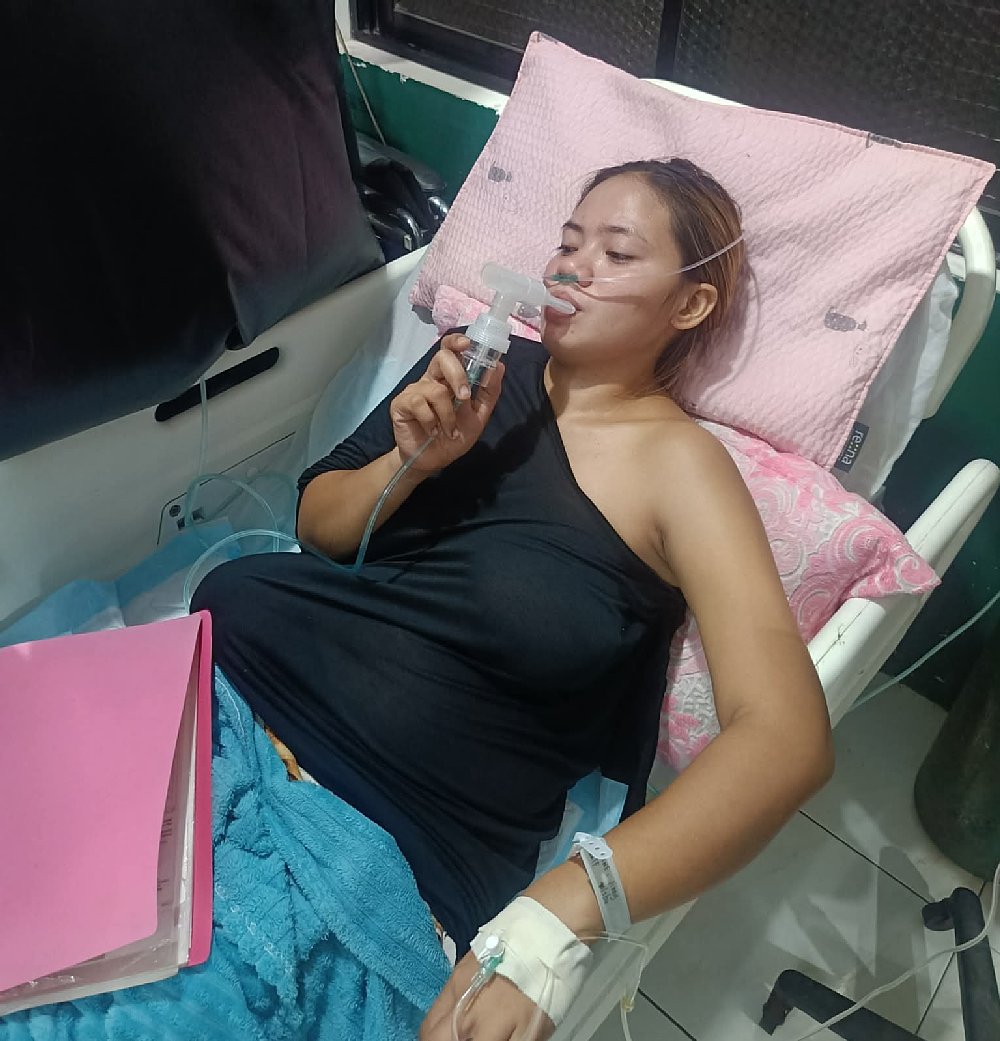
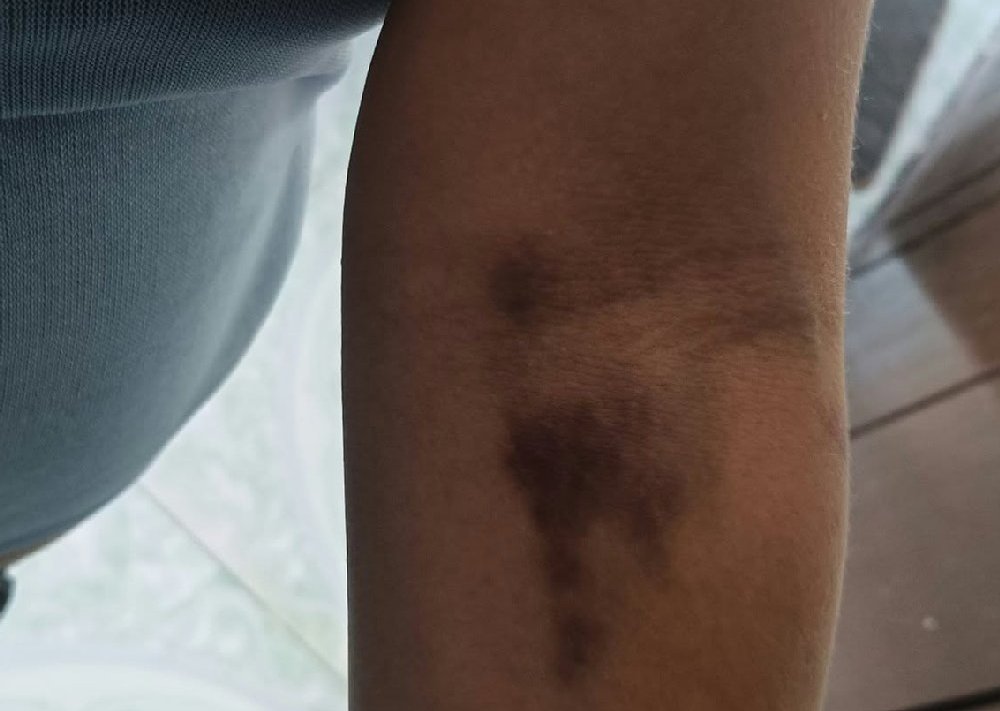
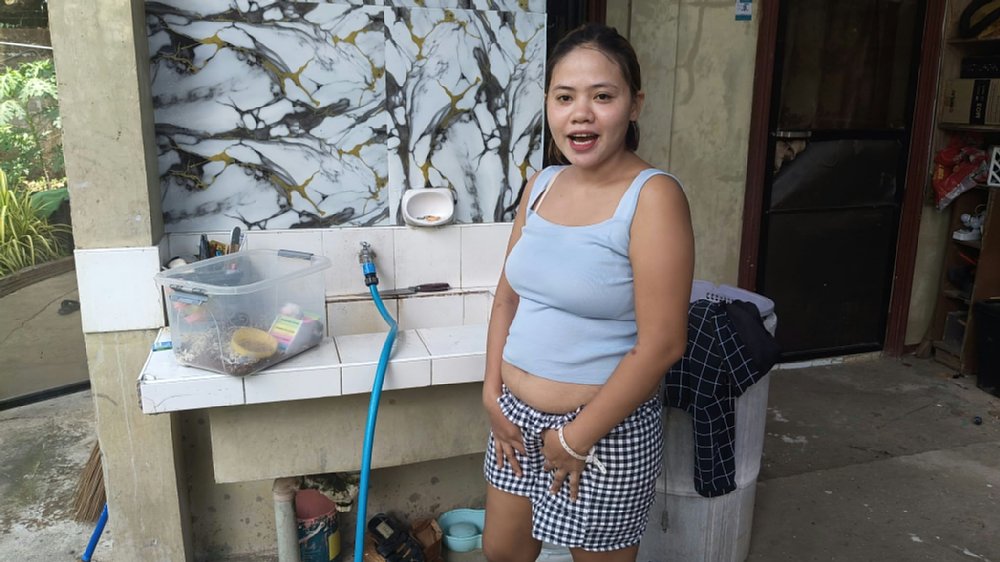
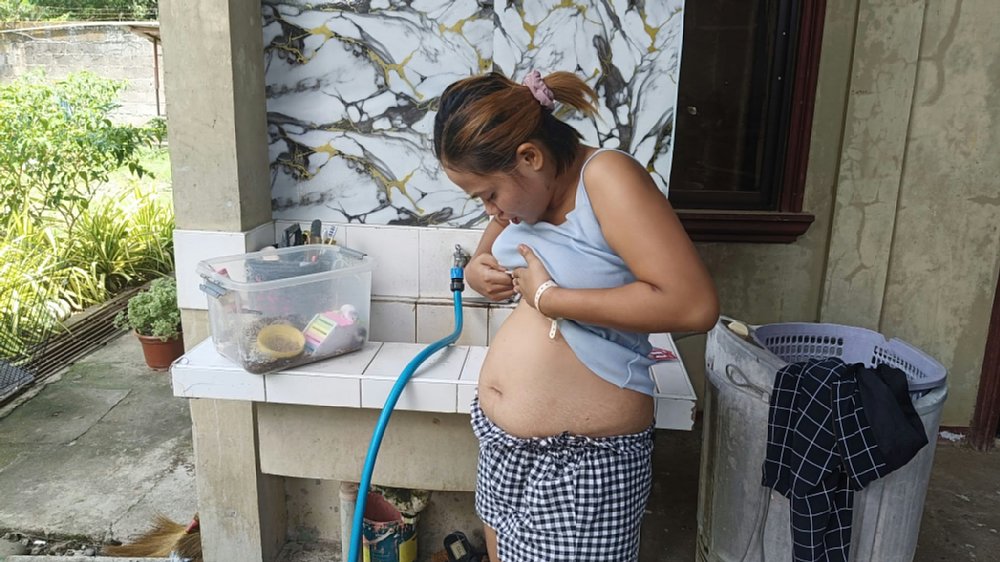
Jinny, who had been in hospital since the evening of Friday, October 2, was discharged on Tuesday, October 13.
She was treated at MHARSGEN Medical Center, a national government hospital
in the Philippines.
She was feeling better within a few days of being admitted, but she had to stay until her doctor approved her discharge. In the end, she spent 12 days in hospital.
She used PhilHealth, the public health insurance scheme in the Philippines, and tells me she had no out-of-pocket expenses for this hospital stay.
PhilHealth is the agency that administers the public health insurance system in the Philippines. Its benefits help cover medical costs such as hospitalization and surgery. Under the Universal Health Care Act, which aims to provide health coverage for everyone, Filipino citizens are generally automatically included in the system. It covers both people who pay contributions and those whose contributions are supported by the government, including people with low incomes.
Hospitals under the Philippine Department of Health (DOH) also implement a policy called “Zero Balance Billing” for patients admitted to basic or ward accommodation. This combines PhilHealth benefits with government support to eliminate patients’ out-of-pocket expenses. However, this does not mean that all medical care is free in every hospital or room. Coverage varies depending on the hospital, the accommodation chosen, and the medical services covered. I was relieved to hear that Jinny benefited from this policy and had nothing to pay for her hospital stay.
References: PhilHealth official website (Universal Health Care), PhilHealth benefits, Philippine government explanation of Zero Balance Billing